When Is Title Insurance Needed in Ontario?
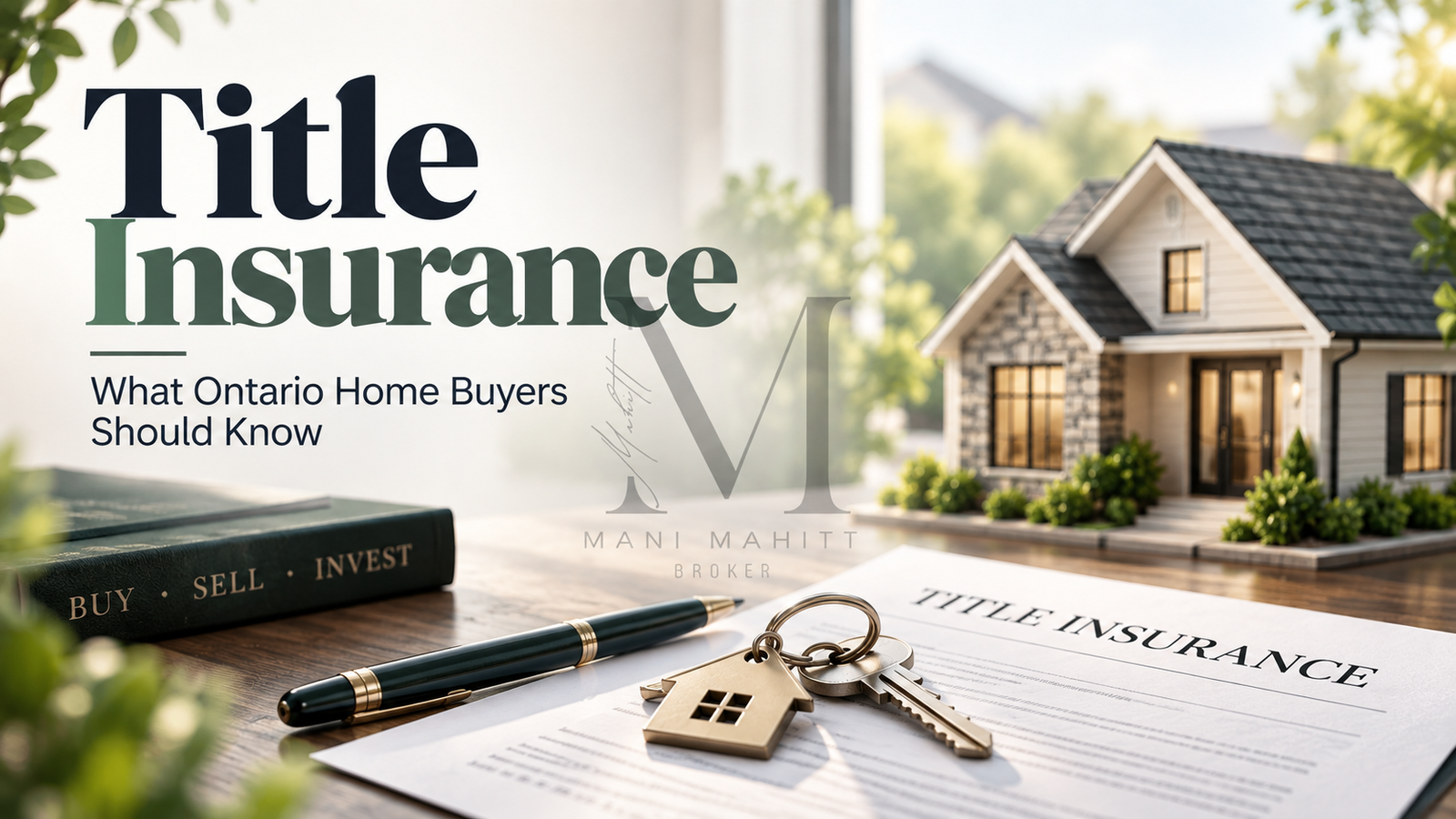
A property can look straightforward on a showing, have a clean offer process, and still carry a problem that is not visible in the home itself. That is why buyers often ask, when is title insurance needed? In Ontario, it is not automatically required by law for every purchase, but it is a common and often sensible part of a real estate closing.
Title insurance is designed to protect an owner or lender from certain losses connected to the legal ownership of a property. It is usually purchased once at closing, with coverage that can remain in place for as long as you own the home. The decision should be made with clear advice from your real estate lawyer, based on the property, the transaction, and your lender’s requirements.
What title insurance actually protects
A title is the legal record of who owns a property and what rights or claims may affect it. Before closing, a lawyer reviews title records to identify issues such as registered mortgages, easements, restrictive covenants, or liens that need to be addressed. In most transactions, that review catches and resolves concerns before keys change hands.
Title insurance adds protection for certain covered title problems that were unknown at the time of closing. Depending on the policy, coverage may include an undisclosed prior lien, a registration error, forgery in the chain of title, an existing encroachment, lack of legal access, or some survey-related defects. Policies can also provide coverage for legal costs incurred to defend your ownership when a covered claim arises.
The key word is covered. A policy is not a blanket guarantee against every future property dispute, expense, or change in value. Its terms, exclusions, and limits matter. Your lawyer can explain the specific policy being offered and whether its protection fits the risks identified during the transaction.
When is title insurance needed for an Ontario purchase?
There is no single answer that applies to every buyer. Many Ontario purchasers choose title insurance because it is a relatively modest one-time closing cost compared with the financial disruption a title defect can create. It may be especially appropriate when a lender requires it, when a current survey is unavailable, or when the property has features that make boundaries and rights of use more complicated.
For a typical resale home in Brampton, Mississauga, Caledon, or elsewhere in the GTA, title insurance is commonly discussed as part of the closing process. Dense neighborhoods, older properties, shared driveways, additions, fences, and changing lot patterns can all make careful title work worthwhile. That does not mean there is necessarily a problem. It means the legal details deserve the same attention as the purchase price and closing date.
A lender may require lender title insurance as a condition of financing. This protects the lender’s mortgage interest, not your equity or your right to ownership. If you want protection as the homeowner, you generally need an owner policy. Some packages include both, but buyers should confirm exactly who is insured rather than assume lender coverage protects them personally.
Situations where it deserves closer consideration
Title insurance is particularly useful to discuss when a property does not have an up-to-date survey. A survey can show the location of structures, fences, and apparent encroachments, but many sellers do not have a recent one. Title insurance may address certain survey-related risks, though it does not replace a survey when one is necessary for your decision.
It also deserves attention when you are buying an older home, a property with a detached garage or addition near a lot line, a home with a shared laneway, or a parcel with private road access. In rural and semi-rural parts of Caledon, questions about access, wells, septic systems, conservation restrictions, and property boundaries may require additional diligence beyond a standard title policy.
For condominiums, the focus is different but no less relevant. Buyers should understand the legal description of the unit, parking space, and locker, along with the status certificate and condominium corporation documents. Title insurance may still be part of the closing, but it does not replace a review of the condominium’s financial and legal condition.
Commercial purchases can involve another level of complexity. Existing leases, access agreements, environmental concerns, zoning, shared services, and financing terms can affect the legal risk profile. Title insurance can be valuable, but the appropriate coverage should be tailored through legal and professional advice rather than treated as a standard checkbox.
What title insurance does not replace
A common mistake is viewing title insurance as a substitute for due diligence. It is not. An inspection looks at the physical condition of the home. A survey identifies physical boundaries and structures. A title search examines legal ownership and registered interests. Municipal inquiries, permit reviews, and zoning checks may be needed where a buyer has a specific intended use for the property.
For example, title insurance may help with a covered issue involving an unknown existing encroachment. It will not tell you whether a basement renovation was completed to code, whether a future addition will be permitted, or whether a home suits your family’s needs. Likewise, it does not protect against a declining market, an unfavorable mortgage rate, or repairs you discover after closing.
This distinction matters because a low-stress transaction is not one where questions are ignored. It is one where the right questions are identified early and handled by the right professionals.
Owner title insurance versus lender title insurance
Buyers sometimes hear the phrase “title insurance” without realizing there may be two separate interests involved. Lender title insurance is intended to protect the mortgage lender if a covered title issue affects the security for its loan. Owner title insurance is intended to protect the purchaser’s ownership interest.
If a lender requires a policy, ask your lawyer whether that requirement applies only to the lender or whether an owner policy is also being recommended. The cost difference is often easier to evaluate when you understand what each policy protects.
Owners should also keep their policy documents after closing. If you later sell, refinance, or face a question about ownership, access, or a prior registration, those records can be useful. Coverage may continue even if the home’s value changes, but the policy terms govern, so avoid relying on general assumptions.
Questions to ask before you close
Your real estate lawyer is the right person to advise on the legal specifics, but these questions can make the conversation more productive:
- Is title insurance required by my lender, and does that policy protect me or only the lender?
- What risks did the title search identify, if any?
- Is there a current survey, and would obtaining one change my decision?
- Are there easements, rights-of-way, encroachments, or access issues I should understand before closing?
- What does the proposed policy cover, exclude, and cost in this transaction?
A knowledgeable broker can help raise these questions at the right stage, coordinate expectations across the transaction, and make sure property-specific concerns do not get lost between offer acceptance and closing. Legal advice, however, should always come from your lawyer.
A practical approach for GTA buyers
The best time to consider title insurance is before you are rushing through final closing documents. Bring it up once your offer is accepted, especially if you are financing the purchase or the property has an unusual feature. Your lawyer can review the title, explain lender requirements, and recommend whether owner coverage is appropriate.
For buyers, the goal is not to buy every possible protection without thought. It is to understand the risk you are accepting and make a decision with confidence. A clear offer strategy, careful due diligence, responsive legal guidance, and local market perspective all work together to protect your move.
When the property and paperwork both deserve close attention, a trusted advisory team helps keep the process clear. Plan your move early, ask direct questions, and give yourself enough time to make closing decisions you can feel comfortable with.